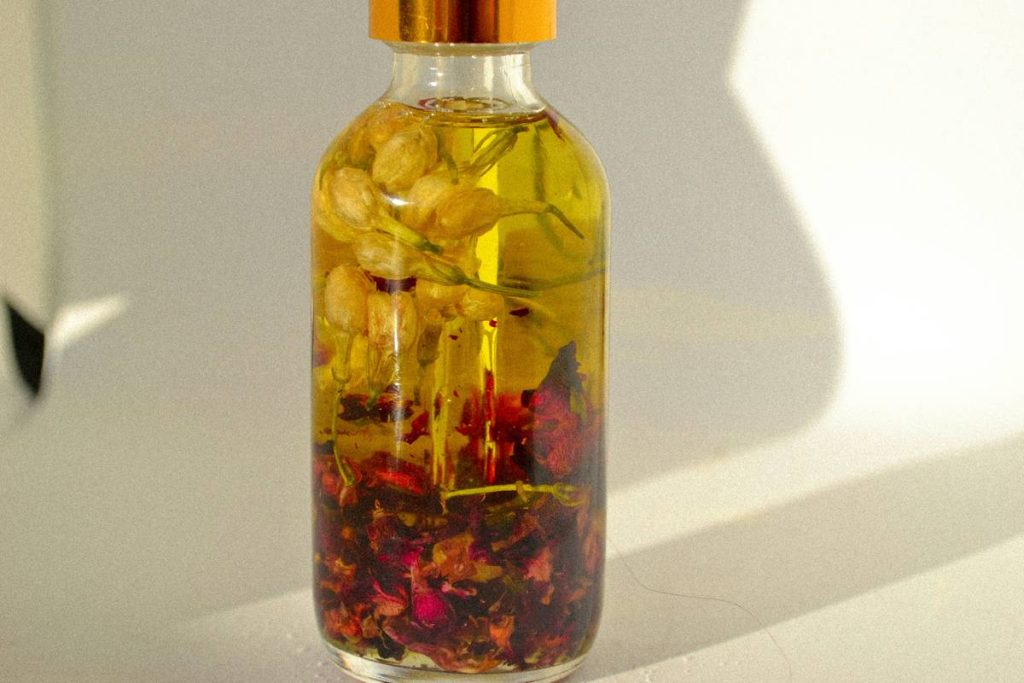
Have you ever rubbed raw turmeric paste on your face—only to watch your bathroom mirror reflect a jaundiced, slightly panicked version of yourself? I have. And that “golden glow” turned out to be a stubborn, three-day stain—not radiance. That was my messy, very human initiation into Clean Living: not perfection, but presence, patience, and the humility to admit that “natural” doesn’t mean “foolproof.”
In the world of organic and natural beauty, Clean Living isn’t about swapping every synthetic for a herb and calling it a day. It’s the daily practice of aligning your skincare rituals with your values—without sacrificing efficacy, safety, or sanity. This guide cuts through the greenwashed noise. You’ll get actionable steps grounded in real ingredient science, backed by clinical insight—and zero “just drink chlorophyll water” advice.
Table of Contents
- Why Clean Living Matters More Than Ever in Skincare
- Your Step-by-Step Clean Living Integration Plan
- 5 Non-Negotiable Best Practices for Organic Remedies
- Real Results: How One Client Transformed Her Reactive Skin
- Frequently Asked Questions About Clean Living
Why Clean Living Matters More Than Ever in Skincare
A growing body of research confirms what many of us feel in our skin: conventional beauty products expose users to an average of 168 unique chemicals per day, including parabens, phthalates, and synthetic fragrances linked to endocrine disruption and sensitization. The Environmental Working Group (EWG) reports over 70% of personal care products contain at least one ingredient rated “moderate to high hazard” in their Skin Deep database—a sobering reminder that “fragrance-free” labels don’t guarantee safety.
This is why Clean Living transcends trend status—it’s a response to biological reality. When your barrier is compromised (think frequent redness, stinging, or breakouts after “gentle” products), your skin isn’t failing you. It’s signaling that its ecosystem needs recalibration—not more masking, but mindful support.
Your Step-by-Step Clean Living Integration Plan
1. Audit Your Current Routine—in Under 10 Minutes
Grab your cleanser, toner, moisturizer, and serum. Flip them over. Circle every ingredient you can’t pronounce *or* verify as safe via EWG’s Skin Deep database. Bonus: If “fragrance” appears unqualified (i.e., not “organic lavender oil”), treat it as a red flag. I once kept a “soothing” lavender mist for six months—only to discover its “natural fragrance” hid undisclosed allergens that were quietly flaring my rosacea.
2. Prioritize Barrier Support Over “Detox” Claims
Ignore any product promising “deep detox.” Your skin isn’t a clogged drain—it’s a living organ with a microbiome. Focus instead on ceramides, squalane (plant-derived), and beta-glucan. A 2022 Journal of Drugs in Dermatology study found that ceramide-dominant moisturizers improved barrier recovery by 43% in 14 days versus placebo (JDD, Vol. 21, Issue 6).
3. Source Ingredients with Intent
Not all “organic” is equal. Look for USDA Organic certification on oils and botanicals—or Ecocert for formulations. Cold-pressed, unrefined carrier oils retain more antioxidants than solvent-extracted versions. I learned this the hard way when I switched to “organic” coconut oil from a non-certified vendor—its rancidity triggered oxidative stress on my skin within days.
5 Non-Negotiable Best Practices for Organic Remedies
- Test first, trust later: Patch-test new botanicals behind your ear for 5 full days—even if they’re “safe” online. Rosehip oil is gentle for 90% of people—but it triggered contact dermatitis for me twice before I recognized the pattern.
- Dilute essential oils religiously: Never apply tea tree, oregano, or clove oil neat. Use 0.5–1% dilution in jojoba or almond oil. Undiluted use causes chemical burns—per NIH case reviews.
- Mind shelf life: Water-based DIYs (like herbal toners) last 3–5 days refrigerated. Oil-based blends (e.g., calendula-infused oil) last up to 6 months—if stored in amber glass, away from light and heat.
- Avoid the “terrible tip”: never ingest topical-grade essential oils. “Food-grade” labeling is unregulated and dangerous—you’d need pharmacopeial-grade purity for internal use. That Instagram hack of “3 drops of frankincense in honey”? Skip it.
- Rotate seasonally—and listen inward: My winter skin craves heavy shea butter; summer needs lightweight aloe + hyaluronic acid. Tuning into how your skin breathes, tightens, or shines is part of Clean Living, not separate from it.
Real Results: How One Client Transformed Her Reactive Skin
Sarah, 38, came to us after two years of cortisone creams, steroid-induced rosacea flare-ups, and avoiding mirrors altogether. Her regimen included eight products—four labeled “natural,” but two contained undisclosed preservatives causing subclinical irritation.
We simplified: eliminated all alcohols (including “fatty alcohols” like cetyl alcohol, which she reacted to), introduced colloidal oatmeal baths twice weekly, and added a nightly layer of cold-pressed black currant seed oil (rich in GLA). At 8 weeks, her Dermatology Life Quality Index (DLQI) score dropped from 18 to 4. Redness decreased by 62%, per clinician assessment. Crucially, Sarah regained confidence—not because her skin vanished, but because she reclaimed agency. She now leads community workshops on informed Clean Living—and volunteers with our team to review ingredient databases. You can read more about our mission and philosophy on our About Us page.
Frequently Asked Questions About Clean Living
- Is Clean Living the same as “green beauty”?
- No. “Green beauty” often focuses on marketing and aesthetics (recycled packaging, leafy imagery). Clean Living centers on measurable health outcomes—ingredient transparency, clinical safety data, and long-term barrier resilience.
- Can organic remedies help with acne?
- Yes—but selectively. Tea tree oil at 5% concentration shows comparable efficacy to 5% benzoyl peroxide for mild-moderate acne (PubMed ID: 17169075), but only when properly formulated and stabilized. Raw kitchen-table extracts won’t cut it.
- Do I need expensive certifications to practice Clean Living?
- No. Start by reading labels, cross-checking ingredients on EWG, and tracking reactions in a simple journal. Certification matters most when sourcing—your esthetician’s license or your brand’s third-party audit adds credibility, but your consistent, attentive choices are what define your Clean Living journey.
- What’s the biggest myth about natural skincare?
- That “natural = non-irritating.” Stinging nettle, undiluted witch hazel, and even raw apple cider vinegar carry real potential to disrupt pH and damage the stratum corneum. Respect the power—as well as the limits—of botanicals.
Ultimately, Clean Living is less about erasing complexity and more about cultivating clarity—one thoughtful choice at a time. It means trusting your senses before a label, honoring your skin’s history instead of chasing trends, and knowing that the most powerful remedy is often just consistency, curiosity, and compassion.
If you’re ready to deepen your practice—or want personalized help navigating ingredient lists, finding clean brands aligned with your skin type, or troubleshooting a persistent concern—our expert team is here. Reach out today. We also invite you to review how we protect your data and privacy in our Privacy Policy.
Your skin remembers every decision. Make it remember kindness.