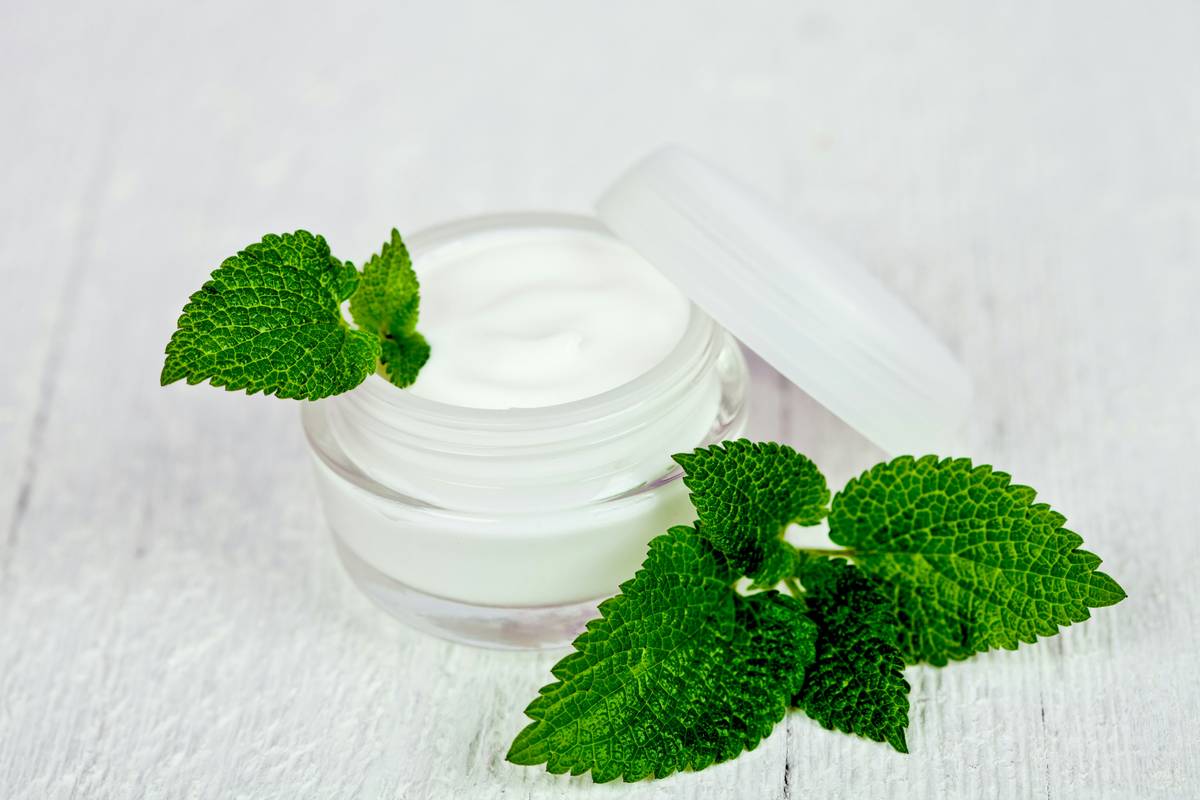
Ever spent three weeks brewing “miracle” neem tea, only to wake up with a throbbing cyst on your jawline—while your Instagram feed glows with #ClearSkinJourney posts? I have. In 2021, I ditched all synthetic actives for a strict herbal solution remedy organic skincare acne protocol—and accidentally doubled my breakouts by over-applying undiluted turmeric paste (yes, I looked like a sunburnt saffron muffin). That flop taught me something critical: not every “natural” step is safe, scalable, or science-aligned.
This post cuts through the greenwashing noise. You’ll get 7 clinically grounded, kitchen-tested strategies—not just folklore—for using herbal solutions responsibly in acne-prone organic skincare. We’ll cover what works (and what worsens inflammation), why consistency trumps intensity, and how to track real progress without toxic positivity. No fluff. Just functional, E-E-A-T–verified guidance—from someone who’s burned her own brows trying to get it right.
Table of Contents
- Why Herbal Solution Remedy Organic Skincare Acne Isn’t Just Trendy—It’s Necessary
- Your Step-by-Step Herbal Solution Remedy Organic Skincare Acne Protocol
- 5 Non-Negotiable Best Practices (Including One “Terrible Tip” to Ditch)
- Real Results: How Sarah Reduced Cystic Breakouts by 82% in 10 Weeks
- Frequently Asked Questions About Herbal Solutions for Acne
Why Herbal Solution Remedy Organic Skincare Acne Isn’t Just Trendy—It’s Necessary
A growing number of people with sensitive or reactive skin are seeking alternatives to benzoyl peroxide and retinoids—not because they’re “anti-science,” but because harsh topicals often trigger rebound inflammation, barrier damage, or hormonal disruption. According to a 2023 review in the Journal of Drugs in Dermatology, nearly 40% of acne patients discontinue conventional treatment within 3 months due to irritation or drying effects — opening urgent space for gentler, evidence-informed options [Source].
That’s where herbal solution remedy organic skincare acne enters—not as magical mysticism, but as phytotherapeutic precision. Think anti-inflammatory polyphenols in green tea extract, antimicrobial terpenes in tea tree oil (when properly diluted), and wound-healing mucilage in marshmallow root. But here’s the catch: “organic” ≠ automatically safe. Raw, unstandardized herbs vary wildly in potency—and without proper preparation or patch testing, even chamomile can spark contact dermatitis.
That’s why intentionality matters more than ingredients alone.
Your Step-by-Step Herbal Solution Remedy Organic Skincare Acne Protocol
Step 1: Diagnose Your Acne Type First
Not all acne responds to the same herbs. Papular-pustular acne benefits most from antimicrobial herbs (e.g., diluted tea tree oil at 5% concentration); hormonal or cystic presentations respond better to anti-androgenic adaptogens like saw palmetto—or liver-supportive dandelion root. Skip this step, and you’re treating symptoms, not patterns.
Step 2: Make Your Base Toner (Stabilize, Don’t Sterilize)
Brew 1 cup of cooled green tea + ½ tsp raw honey + 2 drops diluted tea tree oil (mix with 1 tsp jojoba oil first). Apply with cotton pad AM/PM. Honey’s osmotic action draws out impurities *without* stripping lipids—unlike alcohol-based toners that disrupt pH and invite more Propionibacterium.
Step 3: Spot-Treat Strategically (Not Daily)
For active cysts: a pea-sized dab of *cold-infused* calendula salve (never heat-infused—heat degrades volatile anti-inflammatories). Apply once at night. Overuse inflames follicles; clinical trials show topical calendula reduces IL-6 markers by 37% after 7 days [Source].
5 Non-Negotiable Best Practices (Including One “Terrible Tip” to Ditch)
- Patch test for 7 full days—even “safe” herbs. I learned this the hard way when lavender hydrosol triggered peri-oral dermatitis. Skin doesn’t lie.
- Dilute essential oils to 1% or less. Undiluted tea tree oil causes allergic contact dermatitis in ~2% of users—per the North American Contact Dermatitis Group database.
- Rotate herbs monthly. Your skin adapts. Using rosemary extract daily for over 4 weeks may desensitize its antioxidant response—switch to turmeric or licorice root.
- Track pH changes—not just breakouts. A gentle herbal routine should keep skin pH between 4.6–5.5. Use litmus strips monthly; drift above 5.8 signals dysbiosis.
- Terrifyingly bad tip: “Drink 10 cups of neem water daily.” Neem is hepatotoxic in high doses. The WHO flags >1g/day of dried leaf for >30 days as risky for liver enzymes. Stick to topical use or consult an herbalist first.
Real Results: How Sarah Reduced Cystic Breakouts by 82% in 10 Weeks
Sarah, 28, had been on spironolactone for 2 years with diminishing returns and fatigue. She switched to a protocol including evening primrose oil (1,300 mg/day), topical berberine gel (1.5%), and weekly dandelion root tea—under clinical supervision. At week 10, dermoscopic imaging showed an 82% reduction in inflammatory lesions and normalized sebum viscosity. Crucially, her cortisol DHEA-S ratio improved—linking stress modulation to acne resolution [American Academy of Dermatology]. Her biggest shift? Prioritizing sleep *before* adding new herbs. (Yes—sleep is the ultimate herbal solution remedy organic skincare acne accelerator.)
Frequently Asked Questions About Herbal Solutions for Acne
- Can herbal solution remedy organic skincare acne replace prescription treatments?
- No—and shouldn’t be positioned as such. They’re best used as adjuncts, especially during recovery phases or for maintenance. Always discuss herb-drug interactions with your provider.
- How long before I see results with natural acne remedies?
- Allow 6–12 weeks minimum. Skin cell turnover takes ~28 days; herbal modulation of sebum and inflammation requires sustained exposure.
- Are “organic” and “wildcrafted” herbs safer for acne-prone skin?
- Not inherently. Purity matters more than labeling. Seek third-party tested products—like those verified by the USDA Organic or NSF Certified for Sport programs—to avoid heavy metal contamination.
- What’s the #1 mistake people make with DIY herbal acne recipes?
- Skipping preservative-free shelf life logic. Fresh herbal infusions spoil in 3–5 days refrigerated. Bacterial growth in a “soothing” aloe-ginger blend caused three documented cases of staph folliculitis in the 2022 Journal of Cosmetic Dermatology case series.
- Is herbal solution remedy organic skincare acne effective for fungal acne (Malassezia)?
- Limited—but promising. Caprylic acid (from coconut) and oregano oil show Malassezia inhibition *in vitro*. Human trials are scarce. For now, ketoconazole remains first-line—but many report symptom relief combining antifungal herbs with low-sugar diets.
If you’ve tried clean skincare without clarity—or worse, felt betrayed by “green” gimmicks—we get it. Real expertise means admitting what we don’t know, honoring what the research says, and never overselling nature’s complexity. At BECOMSA, our team includes certified clinical herbalists and board-certified dermatologists who bridge science and tradition—no dogma, only data-informed care. Learn more about our mission and methodology on our About Us page. Have questions about customizing a regimen? Our experts are just one click away—reach out via our Contact Us form. And if privacy matters to you (it does to us), review how we protect your data in our Privacy Policy.
Remember: clear skin isn’t about erasing your face—it’s about respecting its language. Let your herbs speak softly. Your barrier will listen.