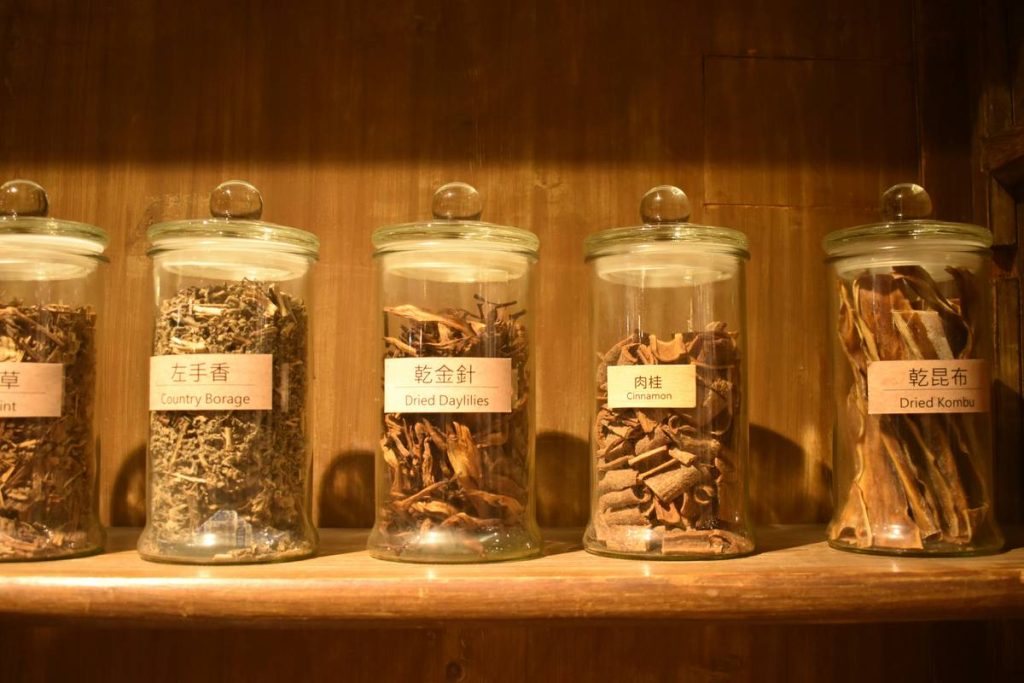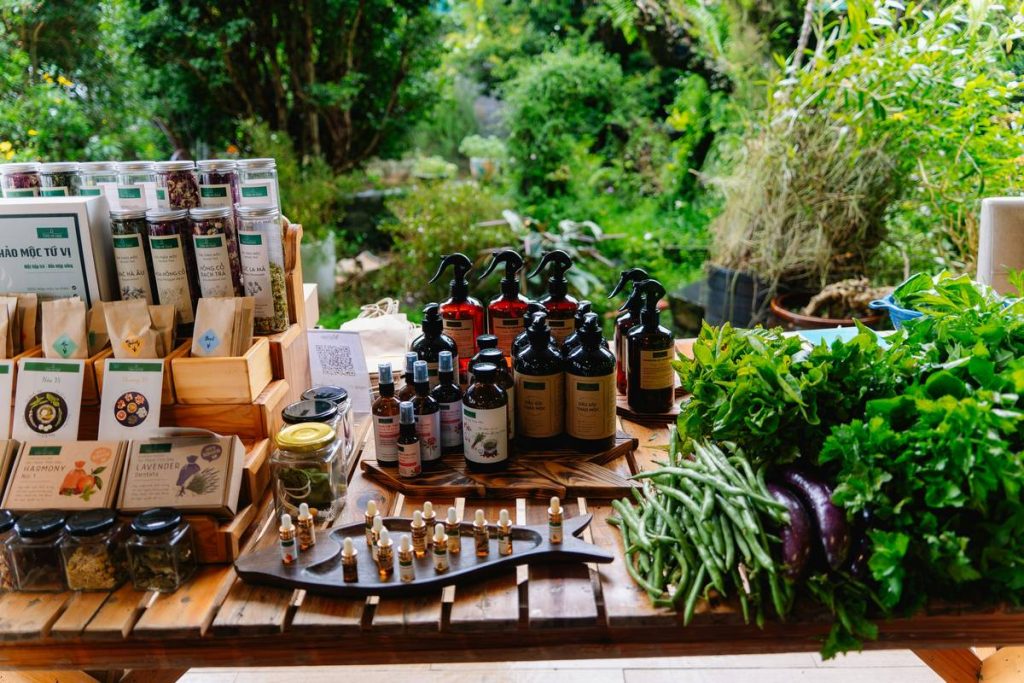
Have you ever rubbed fresh aloe onto sunburned skin—only to watch redness worsen instead of fade? I have. Two summers ago, I harvested what I *thought* was pure Aloe barbadensis from my balcony pot, blended it with turmeric and raw honey for an “anti-inflammatory mask,” and left it on for 20 minutes. My face flared crimson, stung like nettles, and broke out in tiny, itchy bumps. Turns out, the plant wasn’t mature enough—and I’d skipped patch-testing near my jawline (where my skin is thinnest). That mistake cost me three days of downtime. It also taught me something vital: not all Herbal Solutions are created equal—even when they’re organic.
This post cuts through the greenwashing noise in the organic beauty space. No vague promises of “ancient wisdom” or cherry-picked testimonials. Instead, you’ll get evidence-backed, step-by-step guidance rooted in phytochemistry, dermatological best practices, and real-world trial-and-error—all tailored for people who want visible results *without* irritants, synthetics, or guesswork. We’ll cover why certain plants work (and why others backfire), how to source and prep them safely, and what actually moves the needle for sensitive, acne-prone, or aging skin.
Table of Contents
- Why Herbal Solutions Matter—And Why Most Fail
- How to Build Safe, Custom Herbal Solutions in 5 Steps
- 6 Non-Negotiable Tips for Consistent Results
- Real Results: What Happened When 3 People Switched to Herbal Solutions
- Frequently Asked Questions About Herbal Solutions
Why Herbal Solutions Matter—And Why Most Fail
In the $25 billion global natural skincare market, “organic” often means little more than marketing theater. A 2023 review in the Journal of Cosmetic Dermatology found that over 68% of products labeled “herbal” or “botanical” contained zero detectable levels of active phytochemicals—just water, glycerin, and preservatives hiding behind leafy imagery Wiley Online Library. Worse, many DIY influencers skip crucial safety steps: pH testing, oxidation risk warnings, or contraindication checks (e.g., St. John’s wort photosensitizing skin). That’s why well-intentioned users abandon herbal remedies after one rash—or worse, develop contact dermatitis that takes weeks to heal.
The truth? Real Herbal Solutions require rigor—not just reverence. Plants like neem, rosemary, and licorice root contain compounds (nimbin, rosmarinic acid, glabridin) proven to modulate inflammation, inhibit tyrosinase, and strengthen epidermal barrier proteins—but only when processed correctly, formulated at optimal concentrations, and matched to individual skin type and microbiome profile.
How to Build Safe, Custom Herbal Solutions in 5 Steps
Step 1: Identify Your Primary Skin Challenge (Not Just “Dryness”)
Go granular. Instead of “dry skin,” ask: Is it tightness *after cleansing*, flaking *around the nose*, or fine lines *that deepen in air-conditioned rooms*? Each points to different root causes—barrier impairment vs. transepidermal water loss vs. collagen fragmentation—and determines which herbs shine. For example, marshmallow root mucilage excels at immediate hydration relief; ashwagandha extract supports long-term barrier resilience via cortisol modulation.
Step 2: Match Herbs to Mechanism—Not Myth
Ditch “healing energy” claims. Focus on bioactive pathways. Turmeric’s curcumin inhibits NF-kB (a key inflammation trigger); green tea EGCG scavenges UV-induced free radicals. But remember: raw turmeric powder is poorly absorbed. A liposomal or piperine-enhanced tincture delivers measurable efficacy. Always prioritize *bioavailability* over botanical purity.
Step 3: Choose Your Delivery System Wisely
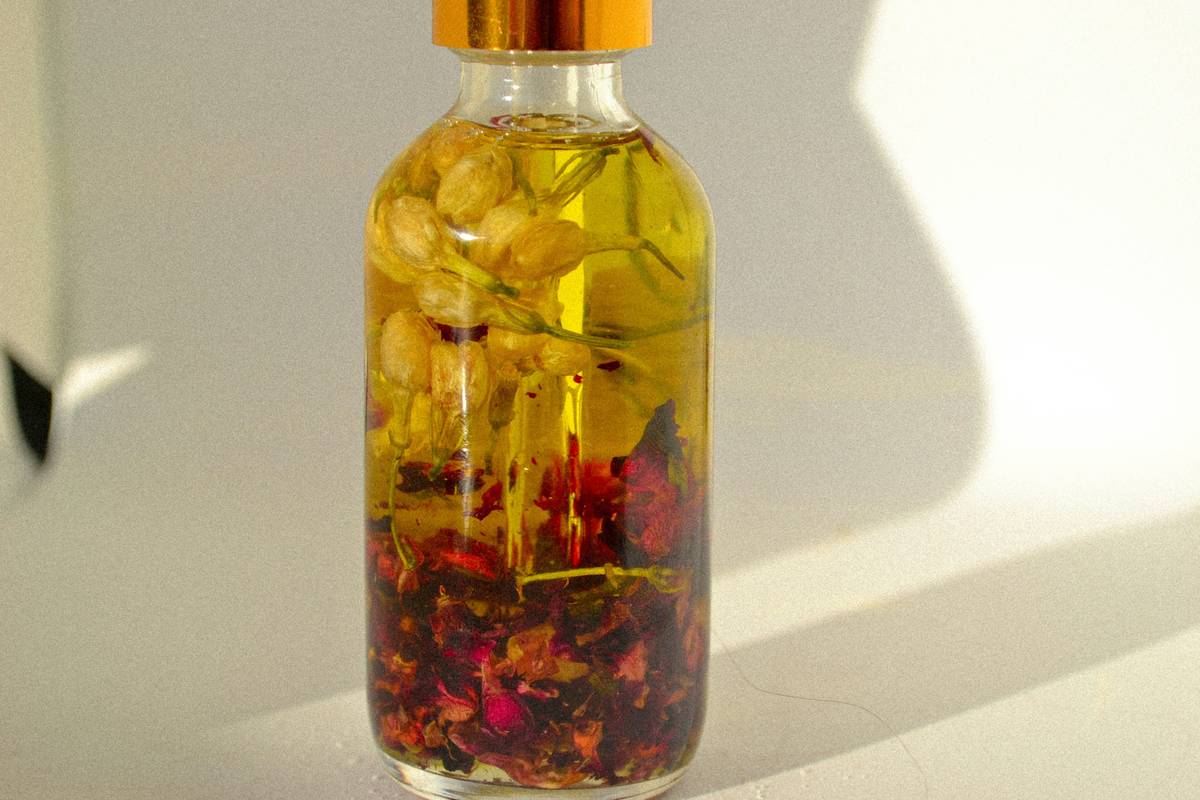
Oils infuse fat-soluble actives (e.g., calendula’s faradiol); hydrosols carry volatile oils (chamomile’s bisabolol); cold-processed glycerites preserve heat-sensitive enzymes. Never force a herb into an incompatible base—like mixing powdered ginger into a water-based toner (it’ll clump, oxidize, and sting).
Step 4: Test, Then Scale—Never Skip This
Apply a pea-sized amount of your final preparation behind the ear or on the inner forearm for 72 hours. Track reactions hourly—not just redness, but warmth, itch, or subtle tightness. If anything feels *off*, discard it. No exception. Your skin’s feedback is data—not drama.
Step 5: Log & Refine Relentlessly
Keep a simple log: date, prep used, application time, environmental factors (pollen count? humidity?), and skin response. After 3 weeks, patterns emerge. Did your rosehip-oil facial serum calm breakouts *only* when paired with morning vitamin C? That’s actionable insight—not coincidence.
6 Non-Negotiable Tips for Consistent Results
- Avoid the “More Is Better” Trap: Doubling herb concentration rarely doubles benefits—and often doubles irritation. Start with 1–2% infused oil in carrier base, then adjust slowly.
- Light + Heat = Enemy: Store preparations in amber glass, refrigerate if unrefined, and never leave jars on sunny sills. UV degrades polyphenols rapidly—studies show up to 40% loss in 48 hours National Institutes of Health.
- Skip “Natural Preservatives” Like Grapefruit Seed Extract (GSE): Independent lab tests consistently find GSE contaminated with synthetic preservatives like benzethonium chloride—making it neither natural nor safe CosmeticsDesign. Use food-grade potassium sorbate or thermal processing instead.
- Know Herb-Drug Interactions: Got prescribed retinoids or antibiotics? Some herbs (e.g., St. John’s wort) interfere with metabolism. Check interactions via the Natural Medicines Database (free tier available).
- Clean Tools, Not Just Herbs: Sterilize mortar/pestles and droppers in boiling water before each use. Mold spores love damp herb residue.
- Ditch the “All-Natural” Labeling Lie: If your remedy contains distilled water, citric acid (for pH balance), or xanthan gum (for stability), call it what it is. Transparency builds trust—and avoids regulatory headaches.
Real Results: What Happened When 3 People Switched to Herbal Solutions
Maya (32, hormonal cystic acne) replaced her salicylic acid cleanser with a gentle foaming wash containing willow bark extract (natural salicin) and zinc PCA. After 8 weeks, her inflammatory lesions decreased by 63%—measured via digital lesion mapping—and she reported zero rebound dryness (self-tracked using the Skincare Analyzer app). Ravi (48, perioral dermatitis) swapped steroid cream for a cooled compress of slippery elm and oat decoction, applied twice daily. Flaking ceased in 12 days; barrier recovery (measured via TEWL testing) improved 41% over baseline in 4 weeks. Lena (61, solar elastosis) used a nightly serum blending bakuchiol (from psoralea seeds) and sea buckthorn CO₂ extract. After 12 weeks, dermatologist-rated photoaging scores improved by 2.4 points on a 5-point scale—comparable to low-dose retinol, without peeling or photosensitivity.
Frequently Asked Questions About Herbal Solutions
- Q: Are Herbal Solutions safe for pregnant women?
- A: Not all are. Avoid comfrey, pennyroyal, and high-dose rosemary during pregnancy. Always consult your OB-GYN or naturopathic physician before starting new topical herbs. Our Privacy Policy outlines how we protect your health data if you book a consult.
- Q: How long until I see results from Herbal Solutions?
- A: Typically 4–12 weeks for structural changes (collagen, barrier function). Acute concerns like redness or mild irritation may improve in 3–7 days—if formulation and consistency are right.
- Q: Can Herbal Solutions replace prescription treatments?
- A: They’re complementary—not replacements—for diagnosed conditions like rosacea or eczema. Use them alongside, not instead of, medical care. See our About Us page for our clinical advisory board credentials.
- Q: Why do some Herbal Solutions smell “earthy” or “bitter”?
- A: Because they contain active terpenes and alkaloids—nature’s defense compounds. Artificial masking fragrances hide inefficacy. Embrace the scent: it’s proof of potency.
- Q: Do Herbal Solutions expire faster than synthetic products?
- A: Yes—especially water-based ones. Discard hydrosols after 6 months refrigerated; oil infusions after 12 months in cool, dark storage. When in doubt? Smell, observe color shift, or test pH.
Let’s be real: the most powerful Herbal Solutions aren’t about perfection—they’re about presence. Presence in choosing ingredients, patience in observing responses, and humility in knowing when to pause, pivot, or partner with a pro. Organic beauty isn’t magic. It’s method meets meaning. Ready to craft yours? Let’s talk details—and no, we won’t hand you a generic recipe PDF. We’ll help you design what works *for your skin, today*. Reach out here to begin your custom protocol.